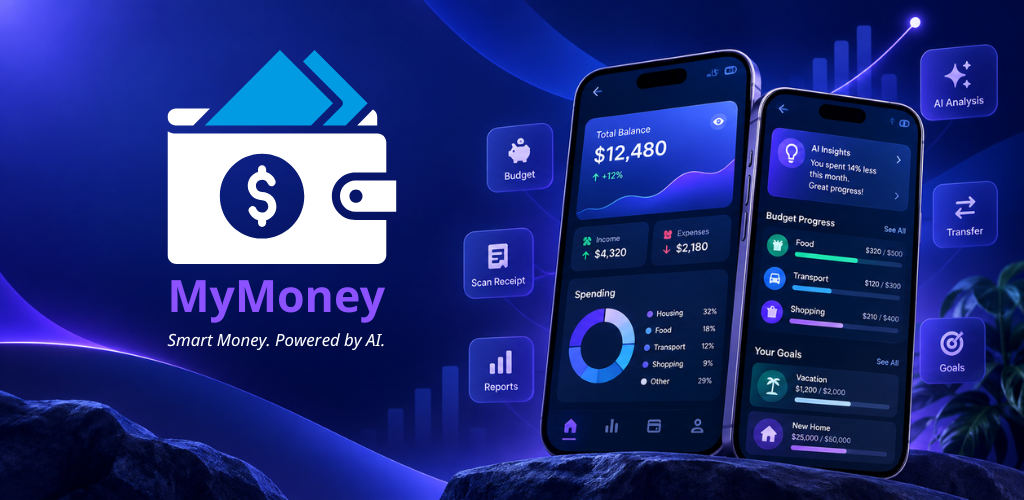
How to Track Daily Expenses Effectively Without Burnout
Discover practical strategies and modern low-friction tools to track daily expenses effectively, maintain consistency, and stop financial leaks without tedious manual effort.

Many people begin tracking their expenses with enthusiasm, only to abandon the habit after a week or two. The primary culprit is rarely a lack of willpower; rather, it is high system friction. Manually logging every daily transit fare, morning coffee, or grocery receipt into a complicated framework quickly creates decision fatigue.
Learning how to track daily expenses effectively is about designing a routine that requires minimal effort while delivering complete visibility over your finances. When logging a purchase takes seconds rather than minutes, consistency becomes second nature.
Why Tracking Daily Expenses Matters More Than You Think
Managing daily expenses isn't simply about recording numbers—it is about turning sub-conscious spending into intentional choices. Micro-expenses, such as quick snacks, recurring digital subscriptions, and small impulse buys, often feel negligible in isolation. Over a month, however, these unmonitored purchases can quietly erode your savings goals.
Uncovering Invisible Money Leaks
Money leaks usually happen in small increments. By capturing daily transactions consistently, you highlight patterns you might otherwise miss, such as dining out more often on high-stress workdays or paying for forgotten trial subscriptions.
Building Financial Mindfulness
Tracking expenses creates an active feedback loop. Merely being aware that you record every transaction encourages a brief pause before making spontaneous purchases, fostering deliberate spending habits without requiring strict self-deprivation.
Choosing the Right Budgeting Framework
Before selecting a tracking tool, pair your efforts with a practical budgeting structure. The right framework gives purpose to the numbers you log daily.
- The 50/30/20 Rule: A balanced model where 50% of net income goes toward Needs (housing, utilities, basic groceries), 30% toward Wants (dining out, entertainment), and 20% toward Savings and Debt Repayment.
- Zero-Based Budgeting: A strategy where every dollar is assigned a specific job before the month starts, ensuring income minus expenses equals zero.
- The Digital Envelope System: Allocating fixed monetary spending caps to specific categories each month to keep variable spending within clear boundaries.
Comparing Tracking Methods: Pen, Spreadsheets, or Smart Mobile Apps
The best expense tracking system is the one you actually stick with. Here is how the primary methods compare in daily practice:

| Feature / Criteria | Pen & Paper | Spreadsheets | Smart Mobile Apps (e.g., MyMoney) |
|---|---|---|---|
| Speed & Friction | High manual effort | Medium (requires manual entry) | Low (Natural text, voice, receipt scan) |
| Accessibility | Physical notebook required | Desktop / Mobile browser | On-the-go smartphone, offline-first access |
| Categorization | Manual calculation | Requires formulas & setup | Smart category drafting with easy editing |
| Insights & Reports | Manual tabulations | Custom charts (manual setup) | Instant visual reports & AI Financial Insights |
| Best For | Tactile spenders | Data analysts wanting full formula control | Anyone wanting effortless, low-friction tracking |
How to Reduce Entry Friction and Build Lasting Habits
To establish a daily habit, logging an expense must feel nearly effortless. Modern mobile apps streamline this process by leveraging intuitive input methods that significantly reduce data entry time.

Type It: Natural Language Processing & AI Quick Entry
Instead of manually filling out structured forms for every transaction, tools equipped with AI Quick Entry let you input spend using simple phrases—such as "$14 for lunch at diner" or "$45 for gas". The app automatically extracts the amount, merchant, and appropriate category into a pre-filled draft. You simply review and confirm the entry.
Say It: Hands-Free Voice Input
When you are walking or commuting, typing can feel inconvenient. By using your device keyboard's native voice-to-text feature in tandem with natural language processing, you can simply speak your purchase out loud. The system drafts the transaction details, allowing quick single-tap confirmation later.
Scan It: AI Receipt Scanning with User Confirmation
Paper receipts from weekly grocery runs or business meals often accumulate in wallets and pockets. AI Receipt Scanner capabilities allow you to capture a quick photo of a receipt. Optical recognition algorithms scan key details—such as total amount, vendor, and date—and present them in an editable review flow. You retain full control to edit details before finalizing the entry.
Structuring Categories to Avoid System Fatigue
A common error among beginners is creating dozens of hyper-specific categories (e.g., separating "Espresso," "Pastries," and "Lunch"). Over-categorization forces you to pause and evaluate every purchase, increasing mental friction and leading to tracking burnout.
The 5-to-8 Category Rule
For long-term consistency, keep your core expense categories broad. Stick to 5 to 8 primary groups, such as:
- Housing & Utilities
- Groceries & Household Essentials
- Dining & Entertainment
- Transportation & Commute
- Personal Spending & Shopping
- Health & Wellness
- Subscriptions & Bills
- Savings & Investments
Creating a 1-Minute Daily Expense Ritual
System consistency relies on establishing a reliable trigger and routine. Rather than logging expenses sporadically throughout the day, pair expense tracking with an existing daily habit.
The Daily Quick Check-in
Dedicate one minute every evening—perhaps right after dinner or before winding down—to open your tracking tool, log any remaining unrecorded purchases, and review draft entries. Because tools like MyMoney offer offline-first tracking, you can log transactions anywhere, anytime, even without an internet connection.
The Weekly Review
Spend 5 minutes every Sunday checking your visual spending reports. Compare your actual spending against your target budget limits. Identifying spending patterns early in the month allows you to make subtle adjustments before overspending occurs.
Common Mistakes That Ruin Expense Tracking Habits
"Consistency in tracking expenses comes from lowering friction and retaining personal review, not from over-complicating system design."
- Over-Categorization: Creating too many sub-categories leads to decision fatigue. Stick to broad buckets.
- Passive Automation Without Review: Completely automated bank feeds often cause people to ignore their purchases altogether. Reviewing transaction drafts keeps you actively connected to your monetary decisions while saving time.
- All-or-Nothing Thinking: Missing a day or two of logging shouldn't mean abandoning your budget. Simply review recent receipts or bank records, update your logs, and continue forward without guilt.
Frequently Asked Questions
How often should I log daily expenses?
Logging expenses immediately after purchase or during a brief 1-minute evening routine yields the best results. Immediate entry prevents forgotten transactions and keeps your financial overview completely accurate.
Is AI financial tracking safe and accurate?
Modern AI features act as smart input assistants rather than autonomous financial managers. Features like AI Quick Entry and Receipt Scanning generate editable drafts for your explicit review and confirmation, ensuring accuracy while maintaining complete user control over financial data.
What should I do if I forget to log purchases for several days?
Don't panic or start over. Spend 5 minutes reviewing your account receipts or digital transaction history, input missing items using natural language or receipt scans, and resume your normal routine.
Start Managing Your Spending Effortlessly
Learning how to track daily expenses effectively doesn't require complex spreadsheets or endless manual logging. By adopting low-friction entry routines and maintaining simplified categories, you gain total clarity over your financial health.
With MyMoney, managing your money fits seamlessly into your daily life. Type it. Say it. Scan it. Done. Experience effortless tracking on-the-go with offline-first reliability and smart assistance.