How to Save Money Fast: 12 Proven Tactics for Immediate Results
Learn how to save money fast using high-impact cost-cutting tactics, automated savings habits, and practical budgeting frameworks to plug cash leaks today.
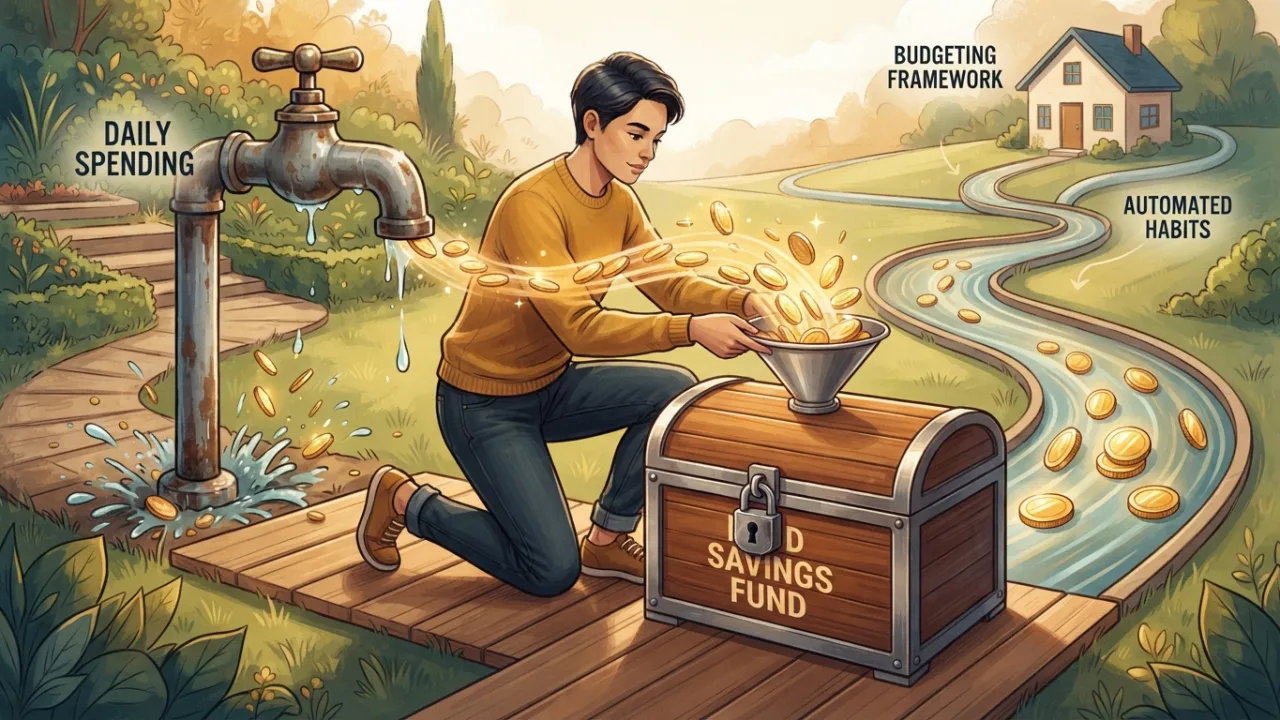
When budget pressure mounts or an unexpected expense looms, knowing how to save money fast becomes top priority. However, fast financial relief does not require extreme deprivation or unrealistic lifestyle overhauls. Radical spending freezes often lead to budget fatigue, resulting in rebound spending that cancels out hard-won gains.
Sustainable savings come from combining quick cash-flow wins with low-friction habits. By identifying immediate cash leaks in your first week and setting up structured systems over your first month, you can create immediate liquidity while building financial security for the long haul.
Immediate Cash-Flow Wins (Days 1 to 7)
If you need extra margin right away, start with tactics that deliver cash flow within hours or days without fundamentally changing your daily lifestyle.
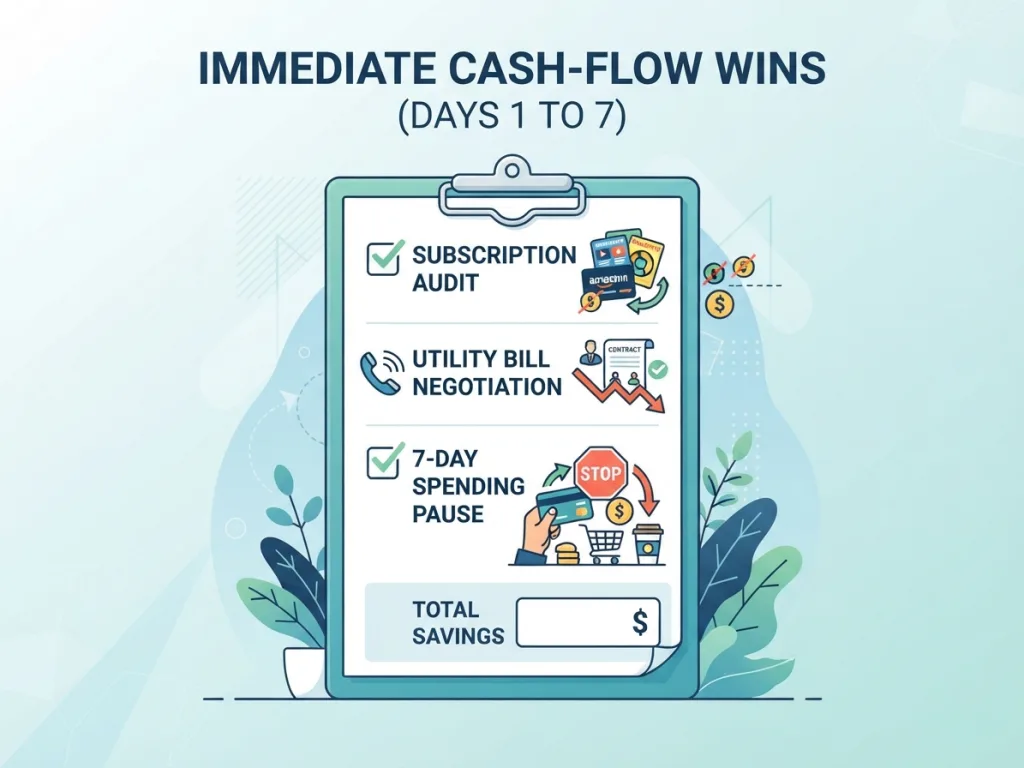
Audit and Cancel Hidden Subscriptions
Subscription inflation is one of the quietest drains on personal cash flow. Streaming platforms, unused gym memberships, software trials, and premium app tiers often auto-renew without notice.
- Review bank statements: Download your last three months of bank and credit card statements. Highlight every recurring charges.
- Cancel low-value services: Eliminate any service you have not used in the past 30 days. You can always resubscribe later if needed.
- Check mobile app stores: In-app subscriptions on iOS and Android frequently bypass standard email invoices. Review active subscriptions directly in your account settings.
Negotiate Fixed Recurring Bills
Service providers often reserve their best rates for new customers, leaving existing customers on inflated pricing tiers. A quick phone call or chat session can frequently lower your monthly obligations.
- Target competitive services: Focus on home internet, mobile plans, insurance coverage, and cable services.
- Gather market rates: Research promotional offers from competitors before reaching out.
- Ask for retention discounts: Polite persistence often yields loyalty credits, reduced monthly fees, or upgraded tiers at lower rates.
Run a Targeted Spending Pause
Rather than committing to an unsustainable 30-day spending ban, execute a focused 3-to-7-day spending pause. Freeze all non-essential purchases, including takeout meals, impulse online orders, and paid entertainment, while keeping essential utility and food needs intact. This creates an immediate cash buffer while highlighting spending triggers.
Sell Unused Items for Immediate Liquidity
Unused household electronics, excess clothing, and extra furniture sitting in storage represent idle capital. Listing these items on local resale marketplaces can generate quick cash within 24 to 48 hours without taking on debt.
Structural Adjustments for Sustainable Savings (Days 1 to 30)
Once you have captured immediate quick wins, establish structural habits to keep money in your bank account month after month.
Pick the Right Budgeting Framework
Budgeting is simply giving every incoming dollar an explicit purpose. Choosing the right framework depends on your personal structure preferences:
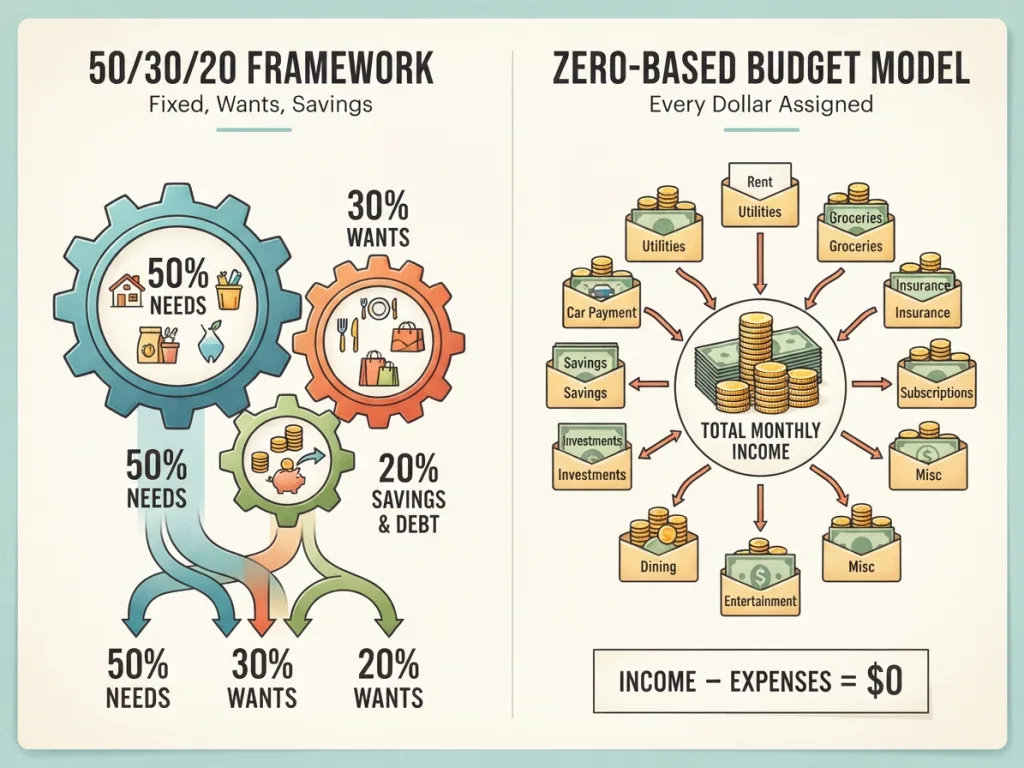
| Budgeting Method | How It Works | Best For |
|---|---|---|
| 50/30/20 Rule | Allocates 50% of take-home pay to Needs, 30% to Wants, and 20% to Savings/Debt paydown. | Beginners looking for flexible, macro-level guidelines. |
| Zero-Based Budgeting | Assigns every single dollar a specific job until Income minus Expenses equals $0. | Variable earners, freelancers, or anyone aggressively tackling debt. |
Automate Savings with "Pay Yourself First"
Waiting to move leftover cash into savings at the end of the month rarely works because unbudgeted funds tend to get absorbed by discretionary micro-spending. The Pay Yourself First strategy reverses this pattern.
Set up an automated transfer on payday that routes a realistic percentage of your income directly into a separate high-yield savings account. Treat your savings contribution as an non-negotiable bill.
Eliminate Variable Expense Leaks
Small, frequent purchases—such as daily coffees, delivery charges, service fees, and convenience buys—represent major cash leaks over time. To control variable expenses without feeling deprived:
- Plan meals weekly: Grocery shopping with a structured list reduces food waste and cuts expensive midweek takeout orders.
- Batch non-essential purchases: Hold non-urgent items in an online cart for 48 hours before purchasing to prevent impulse spending.
- Avoid delivery app markups: Pick up takeout directly or cook at home to skip delivery, service, and tipping surcharges.
Prioritizing High-Impact Financial Decisions
Saving money effectively requires deploying your capital where it produces the strongest mathematical and psychological return.
High-Interest Debt vs. Savings Accounts
Carrying high-interest debt (such as credit card balances) while trying to accumulate low-interest savings is a common misstep. Because credit card interest rates usually exceed standard savings account yields, paying off high-interest balances delivers a guaranteed return equal to the avoided interest rate. Focus on building a minimal baseline emergency buffer first, then direct excess cash toward high-interest debt before building long-term cash reserves.
Building a True Liquid Emergency Fund
A standard financial benchmark recommended by consumer financial guidelines is maintaining 3 to 6 months' worth of essential living expenses in an easily accessible, liquid reserve. This fund protects you from taking on high-interest credit card debt when unexpected repairs, medical bills, or temporary income dips occur.
Gaining Real-Time Expense Visibility
You cannot optimize what you do not measure. Maintaining real-time visibility into micro-spending is essential to preventing budget creep.
Why Tracking Every Dollar Matters
Unmonitored spending often sneaks up through small, scattered transactions. Keeping an accurate record of daily cash flow helps you identify trends, stay aligned with your budget targets, and catch unauthorized transactions early.
Lowering Friction with Assisted Digital Logging
Manual tracking in paper ledgers or complex spreadsheets often leads to tracking fatigue. Digital expense management tools eliminate friction by making transaction entry quick and accessible.
For instance, modern tracking tools like MyMoney simplify daily logging under the principle: Type it. Say it. Scan it. Done. Instead of spending hours on manual entries, simple habit facilitators allow you to log expenses in seconds:
- AI Quick Entry: Simply type or speak natural phrasing (such as "$15 for lunch") using your device's voice-to-text. The AI prepares a transaction draft for your review and explicit confirmation before adding it to your ledger.
- AI Receipt Scanner: Capture a quick photo of physical receipts to automatically extract transaction totals and merchant details into an editable review flow, ensuring you retain full oversight.
- Offline-First Tracking: Log transactions anywhere without depending on an active internet connection; your data syncs securely once you are back online.
By relying on practical digital tools to assist your financial record-keeping, you maintain complete visibility over cash flow without taking on unnecessary overhead.
Common Money-Saving Mistakes to Avoid
- The Deprivation Trap: Cutting out all social outings and personal enjoyment leads to burnout and heavy rebound spending. Keep reasonable discretionary room in your budget.
- Ignoring Micro-Transactions: Paying close attention to big fixed bills like rent while ignoring small $5 to $10 daily transactions lets hundreds of dollars slip away each month.
- Leaving Excess Funds in Checking: Keeping savings in your primary checking account creates the illusion of spendable cash. Separate your emergency savings into a dedicated account.
- Treating Financial AI as Autonomous Advice: AI features and modern tracking tools provide excellent record-keeping visibility and insights, but they are software assistance tools rather than financial advisors. Always review auto-drafted entries and adjust your financial plans to suit your personal goals.
Frequently Asked Questions
How fast can I realistically start saving money?
You can free up cash flow within 24 to 48 hours by auditing monthly subscriptions, running a short spending pause, or selling unused items around your home. Structural budget changes usually reflect in your savings within 30 days.
Should I pay off debt or build savings first?
Build a minimal baseline emergency fund first (e.g., $500 to $1,000 or one month of essential expenses). Once that safety net is established, direct excess cash toward clearing high-interest debt before expanding your emergency fund to 3 to 6 months of expenses.
What is the easiest budgeting method for beginners?
The 50/30/20 rule is often the easiest starting point because it groups expenses into simple high-level buckets (Needs, Wants, Savings) without requiring complex accounting.
Conclusion: Building Momentum Without Burnout
Learning how to save money fast is not about extreme sacrifice—it is about gaining clarity over where your cash is going and eliminating leaks. By taking advantage of immediate wins this week, automating your savings contributions, and using flexible tracking tools to stay aware of daily spending, you can establish immediate liquidity while building financial habits that last.
Take the first step today: pick one recurring subscription to cancel, set up an automated transfer for your next payday, and begin logging your daily transactions to keep your money working for you.